Cryptocurrency Portfolio Management Explained: Smarter Strategies

Chasing gains in volatile markets can feel exhausting when manual tracking and constant rebalancing drain your time and focus. For traders and investors in countries like Brazil, Argentina, or Turkey, where high inflation intensifies the pressure, mastering cryptocurrency portfolio management becomes a strategic priority. By embracing advanced automation tools and structured investment frameworks, you can cut through complexity, manage risk, and make smarter moves in a fast-evolving digital asset world.
Key Takeaways
| Point | Details |
|---|---|
| Strategic Asset Management | Effective cryptocurrency portfolio management requires dynamic strategies that account for high volatility and unique characteristics of digital assets. |
| Diversification is Key | Balancing investments across different types of cryptocurrencies mitigates risks and can enhance potential returns. |
| Continuous Monitoring | Regularly reassessing portfolio allocations based on market conditions and technological developments is essential for optimizing performance. |
| Avoid Common Pitfalls | Investors should be wary of overconcentration, emotional trading, and inadequate risk management to safeguard their investments. |
Defining Cryptocurrency Portfolio Management
Cryptocurrency portfolio management represents a strategic approach to organizing, monitoring, and optimizing digital asset investments within a structured financial framework. Unlike traditional investment portfolios, cryptocurrency portfolios require specialized techniques to navigate the unique characteristics of decentralized digital assets.
At its core, cryptocurrency portfolio management involves carefully selecting, balancing, and rebalancing digital assets to achieve specific financial objectives while managing inherent market risks. Comprehensive portfolio strategies consider several critical factors:
- Asset allocation across different cryptocurrency types
- Risk tolerance and investment horizon
- Market capitalization and liquidity considerations
- Potential for technological innovation and adoption
- Historical performance and volatility metrics
The fundamental goal of cryptocurrency portfolio management is to create a diversified investment strategy that balances potential returns with acceptable risk levels. Investors must understand that cryptocurrencies represent a highly volatile asset class with unique characteristics compared to traditional financial instruments. Digital assets recorded on blockchain networks require sophisticated management techniques that go beyond conventional investment approaches.
Cryptocurrency Portfolio Management Components:
- Strategic Asset Selection
- Risk Assessment
- Regular Portfolio Rebalancing
- Performance Monitoring
- Adaptive Strategy Development
Pro Tip: Develop a disciplined approach to portfolio management by establishing clear investment criteria and maintaining a systematic review process every 30-90 days.
Types Of Crypto Assets And Management Approaches
Cryptocurrency assets represent a diverse and complex ecosystem with multiple categories that require specialized management strategies. Crypto asset classifications broadly encompass native cryptocurrencies, tokens, and emerging digital financial instruments, each demanding unique investment approaches.
Primary Crypto Asset Categories:
- Native Cryptocurrencies: Standalone blockchain-based coins like Bitcoin and Ethereum
- Utility Tokens: Digital assets providing specific platform functionalities
- Governance Tokens: Assets enabling voting rights in decentralized protocols
- Security Tokens: Digital representations of traditional financial securities
- Non-Fungible Tokens (NFTs): Unique digital assets representing ownership of specific items
Each crypto asset type presents distinct risk profiles and management considerations. Decentralized finance protocols introduce additional complexity by creating innovative financial instruments that challenge traditional investment frameworks. Investors must develop nuanced strategies that account for technological infrastructure, market volatility, regulatory landscapes, and potential technological disruptions.
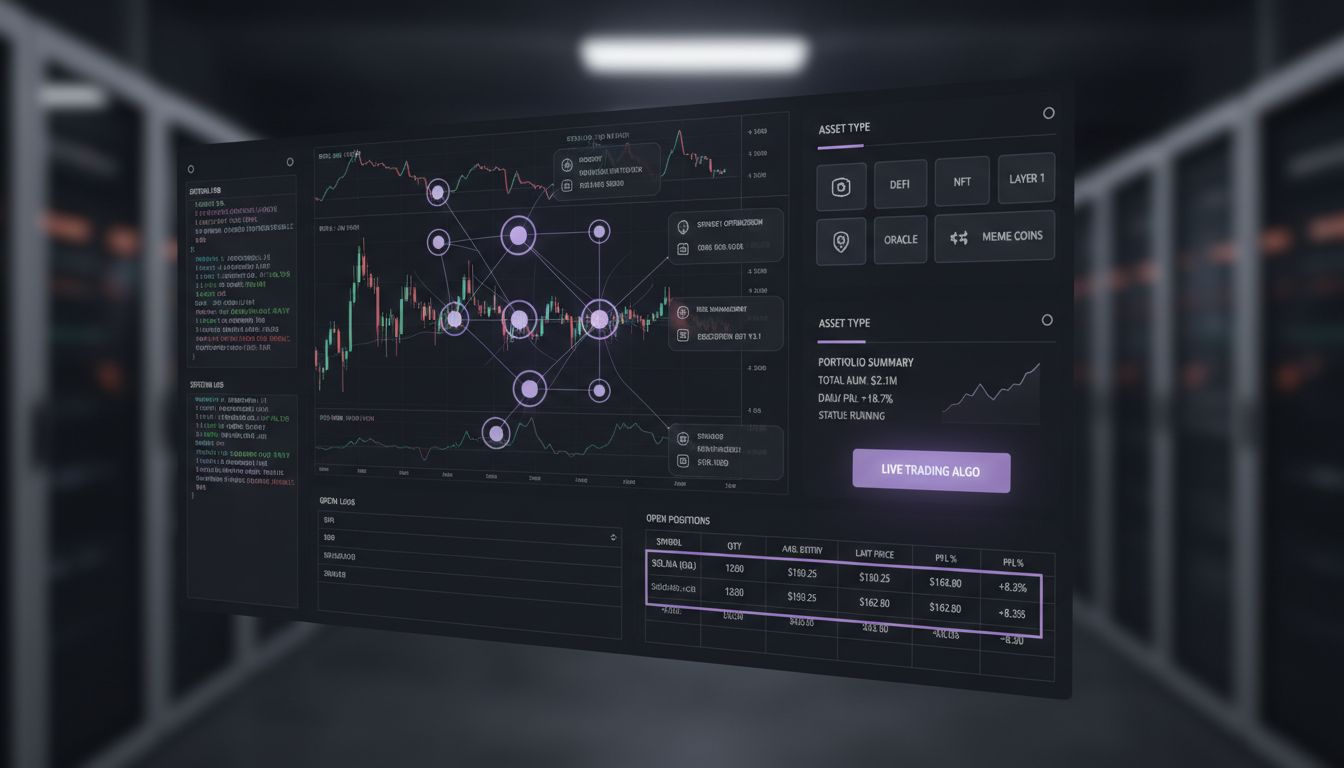
Here’s a comparison of major crypto asset categories and their unique management challenges:
| Asset Category | Primary Focus | Key Management Challenge |
|---|---|---|
| Native Cryptocurrencies | Network security and value | High market volatility |
| Utility Tokens | Platform use cases | Evolving regulations |
| Governance Tokens | Protocol voting power | Governance participation |
| Security Tokens | Regulatory compliance | Legal and reporting risks |
| Non-Fungible Tokens | Unique digital ownership | Illiquid market conditions |
Key Management Approaches:
- Comprehensive Asset Diversification
- Continuous Technical Evaluation
- Regulatory Compliance Monitoring
- Risk Mitigation Strategies
- Performance Benchmarking
Successful crypto portfolio management requires understanding each asset’s unique technological and economic characteristics, not just its market price.
Pro Tip: Implement a dynamic asset allocation strategy that regularly reassesses each crypto asset’s technological fundamentals and market positioning.
Portfolio Construction And Asset Allocation Techniques
Cryptocurrency portfolio construction demands a sophisticated approach that goes beyond traditional investment strategies. Portfolio construction techniques require investors to develop dynamic frameworks that can adapt to the unique characteristics of digital assets, balancing risk and potential returns across diverse cryptocurrency investments.
Core Asset Allocation Principles:
- Segment investments across different cryptocurrency categories
- Balance high-risk and stable digital assets
- Implement systematic risk management
- Utilize quantitative and qualitative evaluation metrics
- Create flexible allocation strategies
Successful portfolio management in cryptocurrency markets involves understanding the intricate relationships between different digital assets. Systematic allocation strategies emphasize the importance of continuously monitoring market conditions, technological developments, and economic signals that influence cryptocurrency valuations.
Advanced Asset Allocation Techniques:
- Volatility-Based Allocation
- Trend-Following Models
- Economic Signal Integration
- Risk-Adjusted Performance Weighting
- Dynamic Rebalancing Mechanisms
Effective cryptocurrency portfolio construction requires a disciplined approach that combines mathematical precision with strategic flexibility.
Pro Tip: Develop a rule-based allocation strategy that automatically adjusts portfolio composition based on predefined risk and performance parameters.
Risk Mitigation, Rebalancing, And Automation Tools
Navigating cryptocurrency portfolio management requires sophisticated risk mitigation strategies that leverage advanced technological solutions. Crypto portfolio rebalancing software enables investors to systematically manage digital asset allocations, reducing potential losses and optimizing investment performance through algorithmic interventions.
Key Risk Mitigation Techniques:
- Automated portfolio rebalancing
- Diversification across multiple asset classes
- Setting predefined stop-loss parameters
- Implementing trailing stop orders
- Utilizing hedging strategies
- Continuous portfolio performance monitoring
Effective risk management in cryptocurrency investments demands a multi-layered approach that combines technological tools with strategic decision-making. Investors must develop robust frameworks that can adapt to the inherent volatility of digital asset markets, using sophisticated automation tools to maintain consistent portfolio performance and minimize potential downside risks.
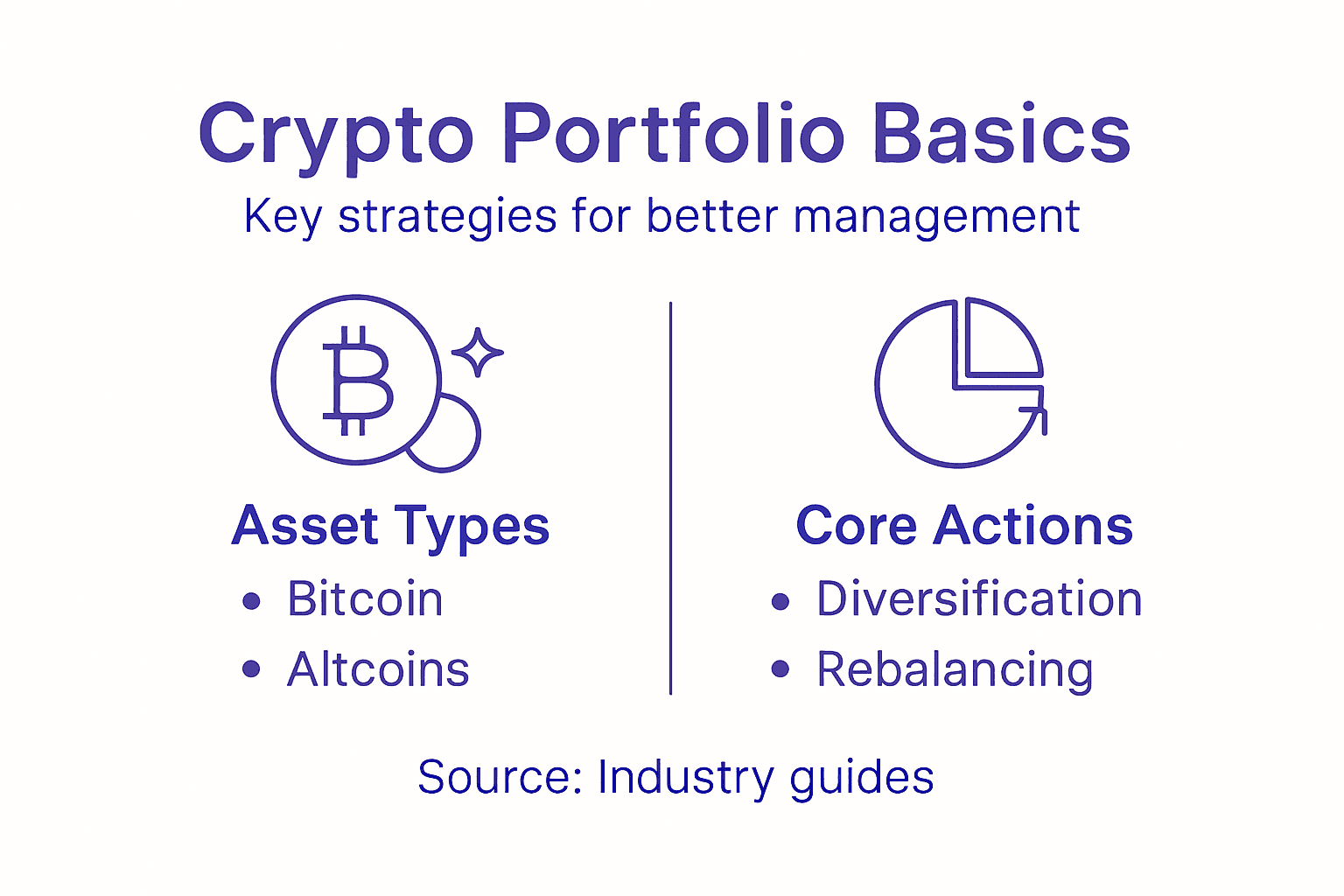
This table highlights advanced portfolio automation tools and their strategic benefits:
| Automation Tool | Strategic Benefit | Example Use Case |
|---|---|---|
| Algorithmic Trading Platform | Reduces emotional bias | Automatic buy/sell signals |
| Real-Time Portfolio Tracker | Improves allocation accuracy | Instant value updates |
| AI-Driven Risk Assessment | Detects changing risk factors early | Dynamic risk scores |
| Automated Rebalancing Mechanism | Maintains target asset mix | Monthly allocation checks |
| Machine Learning Optimization | Analyzes complex market patterns | Forecasts allocation needs |
Advanced Automation Tools for Portfolio Management:
- Algorithmic Trading Platforms
- Real-Time Portfolio Tracking Systems
- AI-Driven Risk Assessment Tools
- Automated Rebalancing Mechanisms
- Machine Learning Portfolio Optimization Solutions
Successful cryptocurrency portfolio management requires a proactive approach that balances technological innovation with disciplined risk control strategies.
Pro Tip: Configure your automation tools with multiple risk management parameters, including percentage-based allocation limits and dynamic stop-loss mechanisms to protect your investments.
Common Mistakes And Costly Pitfalls In Portfolio Management
Cryptocurrency portfolio management demands exceptional vigilance due to the market’s inherent complexity and volatility. Cryptocurrency portfolio estimation risks reveal numerous potential mistakes that can significantly erode investment performance and expose investors to unnecessary financial vulnerabilities.
Critical Portfolio Management Mistakes:
- Overconcentration in single cryptocurrency assets
- Neglecting systematic risk assessment
- Emotional trading decisions
- Inadequate diversification strategies
- Ignoring transaction costs and fees
- Failing to implement robust risk management protocols
- Overlooking technological fundamentals of digital assets
Investors frequently underestimate the importance of understanding market dynamics and parameter uncertainties. Successful portfolio management requires a disciplined approach that combines quantitative analysis, technological insight, and strategic risk mitigation techniques. Developing a comprehensive framework helps investors navigate the complex cryptocurrency ecosystem while minimizing potential downside risks.
Top Risk Mitigation Strategies:
- Implement systematic portfolio rebalancing
- Develop multiple scenario analysis frameworks
- Use advanced statistical modeling techniques
- Maintain flexible asset allocation strategies
- Continuously monitor market technological developments
Effective cryptocurrency portfolio management is less about predicting market movements and more about creating resilient, adaptable investment strategies.
Pro Tip: Regularly audit your portfolio’s risk parameters and be prepared to adjust your strategy based on objective performance metrics and evolving market conditions.
Take Control of Your Cryptocurrency Portfolio with Advanced Automation
Managing a cryptocurrency portfolio demands strategic asset allocation, ongoing risk mitigation, and adaptive rebalancing to navigate market volatility effectively. If you find yourself overwhelmed by constant monitoring or uncertain how to implement dynamic asset allocation techniques and automation tools, you are not alone. The need to balance high-risk assets with more stable choices while optimizing for profit requires hands-free solutions powered by AI and machine learning.
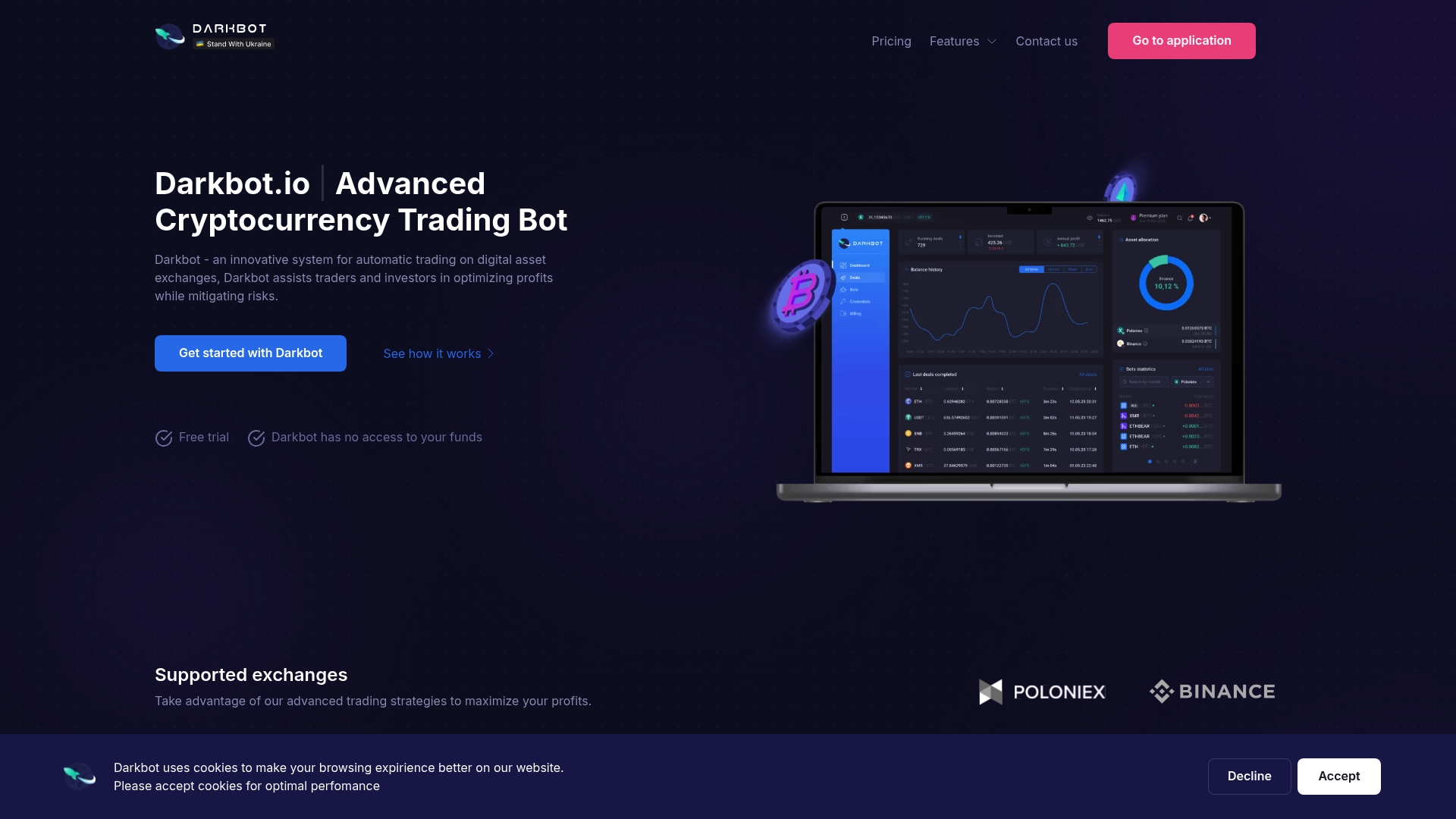
Boost your portfolio management with Darkbot.io, an advanced automated cryptocurrency trading platform designed to simplify comprehensive portfolio strategies. Experience seamless integration with multiple exchanges, real-time analytics, and fully customizable automated rebalancing features tailored to your risk tolerance. Whether you need to implement systematic asset allocation, reduce emotional decision-making, or optimize your digital asset investments, Darkbot.io provides reliable and secure tools to enhance your trading efficiency
Discover how Darkbot.io can transform your portfolio management approach today. Visit the official platform to get started and explore powerful automation solutions designed to keep you ahead in volatile markets.
Frequently Asked Questions
What is cryptocurrency portfolio management?
Cryptocurrency portfolio management is a strategic approach to organizing and optimizing investments in digital assets. It involves selecting, balancing, and monitoring various cryptocurrencies to achieve specific financial goals while managing market risks.
What are the primary components of cryptocurrency portfolio management?
The main components include strategic asset selection, risk assessment, regular portfolio rebalancing, performance monitoring, and adaptive strategy development to meet changing market conditions.
How do I construct a cryptocurrency portfolio?
To construct a cryptocurrency portfolio, segment investments across different asset categories, balance high-risk and stable assets, implement systematic risk management, and create flexible allocation strategies based on market trends and technological developments.
What are common mistakes in cryptocurrency portfolio management?
Common mistakes include overconcentration in a single asset, neglecting systematic risk assessment, making emotional trading decisions, inadequate diversification, and failure to implement robust risk management protocols.
Recommended

Start trading on Darkbot with ease
Come and explore our crypto trading platform by connecting your free account!
Free plan available • No credit card required