Beginner's guide to trading automation for crypto success

Manual cryptocurrency trading demands constant market monitoring, split-second decisions, and emotional discipline that drains time and energy. For novice traders, this pressure often leads to missed opportunities and costly mistakes driven by fear or greed. Trading automation offers a practical solution by using software and AI to execute strategies consistently without emotional interference. This guide walks you through the essential preparation steps, execution methods, and verification techniques needed to automate your crypto trading successfully and manage your portfolio with confidence.
Key Takeaways
| Point | Details |
|---|---|
| Automation reduces emotion | Automation eliminates emotional decisions by executing predefined rules regardless of fear or greed. |
| Foundation through preparation | Effective automation starts with selecting suitable tools and planning your strategy before trading. |
| Test with demo accounts | Start with simple bots or demos to learn platform mechanics and validate your strategy before risking real capital. |
| Choose liquid pairs and timeframe | Select liquid trading pairs and appropriate timeframes to balance opportunity and execution frequency. |
Understanding the basics: What you need to get started
Trading automation uses software to execute buy and sell orders based on predefined rules and algorithms. This approach eliminates emotional reactions during volatile market swings and allows traders to capitalize on opportunities around the clock. Automated trading requires platform selection and basic trading knowledge to be effective, making preparation the foundation of success.
Before diving into automation, you need specific tools and resources. Essential components include trading bot software that connects to exchanges, API access from your chosen cryptocurrency exchange, portfolio tracking tools to monitor performance, and AI-powered platforms that optimize strategies based on market data. Understanding these building blocks helps you make informed decisions about which crypto trading automation platforms align with your goals.
Your preparation phase also requires foundational knowledge. You must understand basic trading strategies like trend following, mean reversion, and momentum trading. Equally important is defining your risk tolerance, which determines position sizes, stop-loss levels, and overall portfolio allocation. Without this self-awareness, even the most sophisticated bot cannot protect you from excessive losses during market downturns.
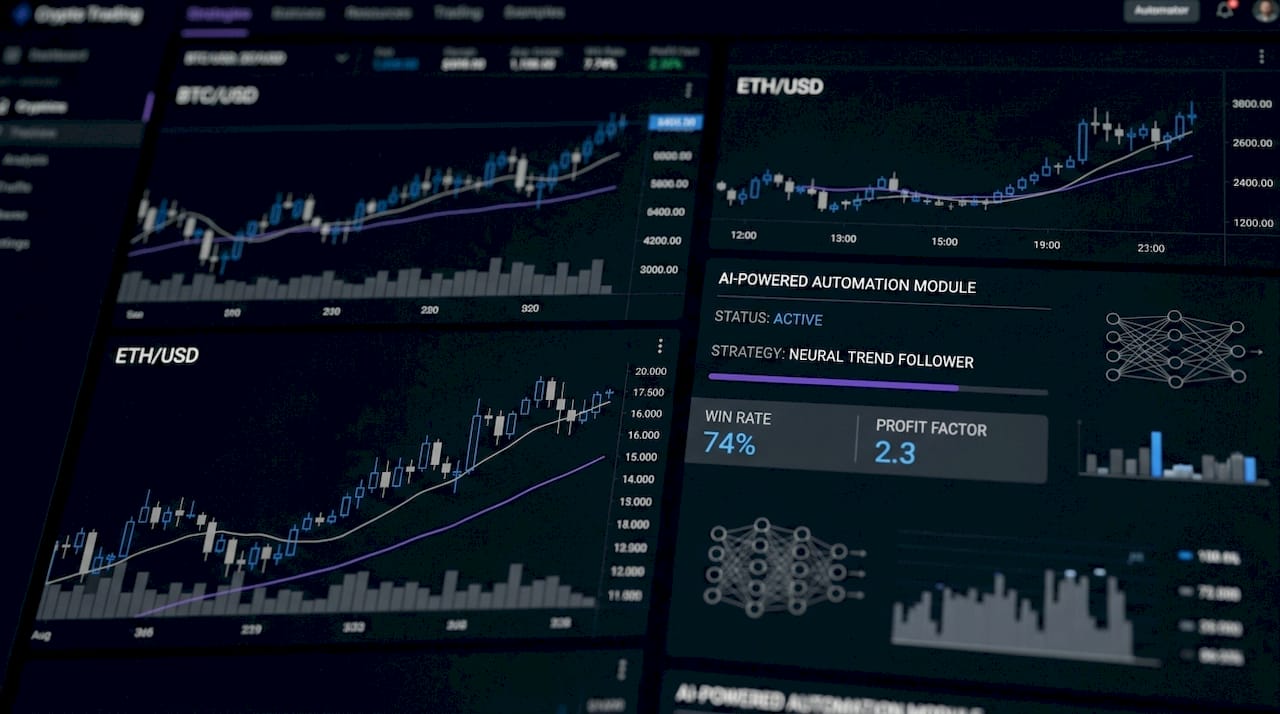
| Platform Type | Key Features | Best For |
|---|---|---|
| Cloud-based bots | 24/7 operation, no local installation, remote access | Beginners wanting simplicity |
| Exchange-native tools | Direct integration, lower latency, built-in security | Traders using single exchanges |
| AI-powered platforms | Machine learning optimization, adaptive strategies, portfolio rebalancing | Advanced users seeking automation |
| Open-source solutions | Full customization, community support, no subscription fees | Technical traders with coding skills |
Pro Tip: Start with simple bots and demo accounts to test strategies without risking real capital. This approach lets you learn platform mechanics, identify weaknesses in your strategy, and build confidence before committing funds.
Step-by-step guide to setting up your first automated trading strategy
Creating your first automated trading strategy requires methodical planning and careful execution. Following a structured trading strategy setup improves automation success through stepwise planning and monitoring. Each decision you make during setup directly impacts your results, so take time to understand each component before moving forward.
-
Choose your cryptocurrency pair and timeframe. Select a trading pair with sufficient liquidity and volatility to generate opportunities. Popular pairs like BTC/USDT or ETH/USDT offer tight spreads and consistent volume. Your timeframe determines how frequently the bot analyzes markets and executes trades. Shorter timeframes like 15-minute or 1-hour charts suit active strategies, while daily charts work better for position trading.
-
Select or create a trading strategy. Trend following strategies capitalize on sustained price movements by buying during uptrends and selling during downtrends. Mean reversion strategies assume prices return to average levels after extreme moves, buying oversold assets and selling overbought ones. Momentum strategies identify accelerating price changes and ride the wave. Choose one strategy initially rather than combining multiple approaches, which complicates analysis and increases failure points.
-
Configure your automation software. Input your strategy rules into the bot interface, specifying entry conditions, exit conditions, position sizing, and order types. Set risk parameters including maximum position size as a percentage of portfolio, stop-loss levels to limit downside, and take-profit targets to lock in gains. Define whether the bot uses market orders for immediate execution or limit orders for price control.
-
Test the strategy using historical data or demo accounts. Backtesting runs your strategy against past market data to evaluate performance without risking capital. Look for consistent profitability across different market conditions, reasonable drawdowns that match your risk tolerance, and a sufficient number of trades to validate statistical significance. Demo accounts provide real-time testing in current market conditions without financial exposure.
-
Launch the live automated bot with careful monitoring. After successful testing, deploy your bot with a small portion of your portfolio. Monitor the first several trades closely to verify the bot executes as expected. Check for slippage between expected and actual fill prices, confirm order types execute correctly, and ensure the bot responds appropriately to market volatility.
Pro Tip: Use alerts and stop-loss orders to manage risk effectively. Configure notifications for significant drawdowns, unusual trading volume, or when the bot pauses due to errors. Stop-loss orders act as a safety net, automatically closing positions when losses exceed predetermined thresholds.
Common mistakes and troubleshooting tips for beginner traders
Understanding where novice traders stumble helps you avoid expensive lessons. Beginners frequently face issues like over-optimization and ignoring market conditions leading to poor bot performance. Recognizing these patterns early prevents frustration and capital loss during your automation journey.
Frequent beginner mistakes include:
-
Neglecting backtesting. Launching bots without historical validation creates blind spots about strategy weaknesses. Backtesting reveals how strategies perform during different market phases, helping you anticipate potential failures before they occur with real money.
-
Setting unrealistic profit goals. Expecting 50% monthly returns leads to excessive risk-taking and strategy abandonment after normal drawdowns. Sustainable automation targets consistent, modest gains that compound over time rather than lottery-style wins.
-
Ignoring bot monitoring. Automation does not mean set-and-forget. Bots can malfunction due to API errors, exchange downtime, or sudden market events requiring human intervention. Regular check-ins ensure your bot operates within expected parameters.
-
Over-optimizing strategies. Tweaking parameters until backtest results look perfect often creates strategies that fail in live markets. This curve-fitting produces rules that work brilliantly on past data but lack robustness for future conditions.
-
Failing to adapt to market volatility. Strategies that excel during trending markets often hemorrhage capital during ranging or highly volatile periods. Recognizing when market conditions shift and adjusting your approach prevents extended losing streaks.
Troubleshooting common issues requires systematic diagnosis. When your bot underperforms, first verify API connections remain active and exchange status shows no disruptions. Check recent trades for execution errors like partial fills or rejected orders. Review market conditions to determine if volatility or liquidity changed significantly. Examine your strategy parameters to confirm they remain appropriate for current market behavior.
Regular review and adjustment are critical to success in automated trading. Markets evolve constantly, and strategies must adapt to maintain effectiveness.
When you identify problems, make incremental changes rather than wholesale strategy overhauls. Adjust one parameter at a time, test the modification, and evaluate results before making additional changes. This methodical approach helps you understand which adjustments improve performance versus those that introduce new problems.
Measuring success: How to verify and optimize your automated trading results
Verification transforms raw trading activity into actionable insights about strategy effectiveness. Regularly verifying and optimizing automated trades leads to portfolio performance improvements over time, making this phase essential for long-term success. Without proper measurement, you cannot distinguish between lucky streaks and genuine edge.
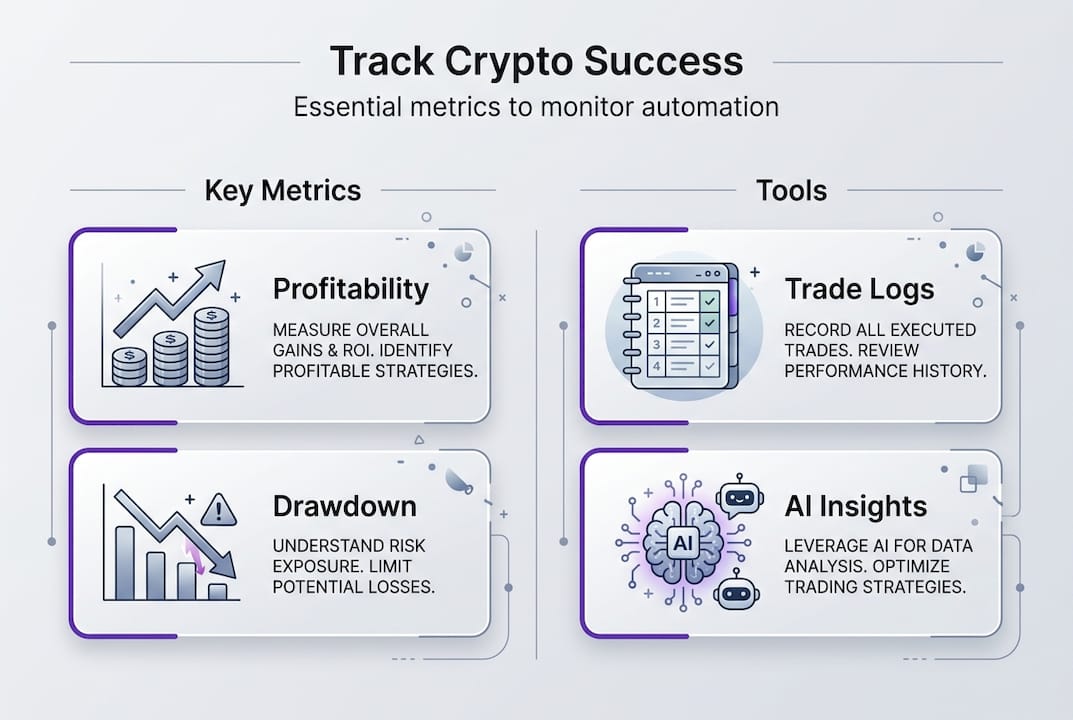
Key metrics to track include profitability measured by total return percentage and absolute profit in your base currency. Drawdown represents the peak-to-trough decline during a losing period, revealing how much capital you risk losing during adverse conditions. Win rate shows the percentage of profitable trades, though high win rates do not guarantee profitability if losing trades exceed winning ones. Risk-adjusted returns like the Sharpe ratio compare returns to volatility, helping you evaluate whether profits justify the risks taken.
| Metric | Manual Trading | Automated Trading |
|---|---|---|
| Execution speed | Seconds to minutes | Milliseconds |
| Emotional influence | High during volatility | None |
| Market monitoring | Limited to active hours | 24/7 continuous |
| Strategy consistency | Varies with mood and fatigue | Perfectly consistent |
| Backtesting capability | Difficult and time-consuming | Rapid and precise |
| Scalability | Limited by attention | Multiple bots simultaneously |
Optimizing your automated trading follows a structured process:
-
Analyze individual trades. Review winning and losing trades to identify patterns. Do losses cluster during specific market conditions? Do wins occur primarily during certain times of day? Understanding these patterns reveals optimization opportunities.
-
Adjust strategy rules incrementally. Based on your analysis, modify entry conditions to filter out low-probability setups, tighten stop-losses to reduce maximum loss per trade, or extend profit targets during strong trends. Make one change at a time to isolate its impact.
-
Re-test modifications thoroughly. Run updated strategies through backtesting and demo trading before deploying with real capital. Verify that improvements in one area do not create problems elsewhere.
-
Monitor performance over extended periods. Evaluate strategy effectiveness across multiple market cycles rather than days or weeks. Short-term results often reflect luck rather than skill, while longer periods reveal true strategy quality.
Pro Tip: Schedule regular portfolio reviews and leverage AI tools for rebalancing. Monthly reviews help you catch deteriorating performance before significant losses accumulate. AI-powered cryptocurrency portfolio management tools analyze correlations between assets, suggest optimal allocations, and automatically rebalance to maintain target weightings.
Explore powerful AI crypto trading automation with Darkbot
Now that you understand the fundamentals of trading automation, you need a platform that combines ease of use with sophisticated capabilities. Darkbot’s AI cryptocurrency trading bot delivers advanced automation designed for both beginners and experienced traders. The platform integrates seamlessly with major exchanges, allowing you to implement the strategies covered in this guide without technical complexity.
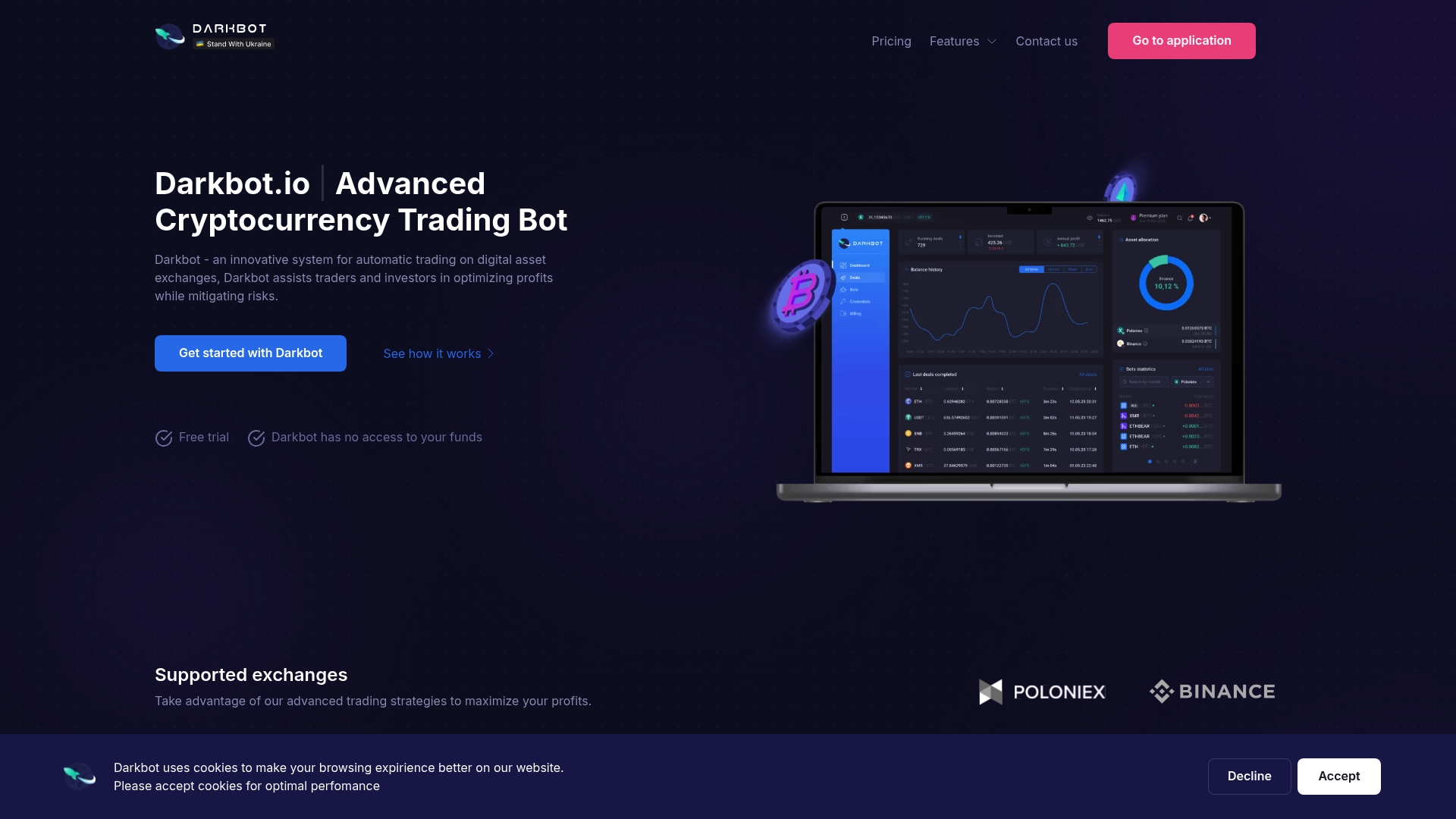
Darkbot’s cryptocurrency portfolio management and optimization tools provide the verification and adjustment capabilities essential for long-term success. Real-time analytics track the metrics discussed earlier, while AI-powered rebalancing automatically adjusts allocations as market conditions change. Whether you are launching your first automated strategy or scaling existing operations, Darkbot provides the infrastructure to streamline your trading journey and maximize portfolio growth.
Frequently asked questions
What is trading automation in cryptocurrency?
Trading automation uses software to execute crypto trades automatically based on pre-set strategies and rules. It reduces manual effort, eliminates emotional bias, and improves trade execution speed by analyzing markets and placing orders faster than humans can. Automation allows traders to capitalize on opportunities 24/7 without constant monitoring.
How do I choose the right automated trading platform?
Look for platforms with user-friendly interfaces, strong security measures, and reliable customer support to assist during technical issues. Consider AI features that optimize strategies and backtesting capabilities for testing approaches against historical data. Read reviews from other traders and start with platforms offering free trials or demo accounts.
Can I use trading automation with a small crypto portfolio?
Yes, many platforms support small portfolios and allow gradual scaling as you gain experience and confidence. Starting small with automated trading helps you learn about risks, understand bot behavior, and refine strategies without exposing significant capital. Most platforms have no minimum investment requirements, making automation accessible regardless of portfolio size.
How often should I monitor my automated trading bot?
Check your bot daily during the first week to ensure it executes trades correctly and responds appropriately to market conditions. After the initial period, weekly reviews typically suffice for stable strategies in normal markets. Increase monitoring frequency during high volatility or after making strategy changes to catch issues early.
What happens if my trading bot makes consecutive losing trades?
Consecutive losses are normal and expected in any trading strategy, as no approach wins every trade. Your pre-set risk parameters including stop-losses and position sizing limits protect your portfolio from catastrophic damage. Review your strategy if losses exceed backtested expectations or if drawdowns approach your maximum tolerance level. Consider pausing the bot and analyzing whether market conditions changed significantly.
Recommended

Start trading on Darkbot with ease
Come and explore our crypto trading platform by connecting your free account!
Free plan available • No credit card required